


Golf fashion has always been about more than clothing for swinging a club. It reflects the culture of the game: its traditions, social settings and preference for a polished appearance. What has changed is the range of clothing that can now express those values.
Modern performance fabrics, lighter construction and more relaxed silhouettes have expanded the visual language of golf. Polos still matter, but hoodies, technical jackets, lifestyle-oriented golf shoes, brighter colors and collaborative collections now sit comfortably within the wider conversation around modern golf fashion.
The result is a wardrobe increasingly designed for a journey that extends beyond the course—from fairway to clubhouse, resort, airport and city.
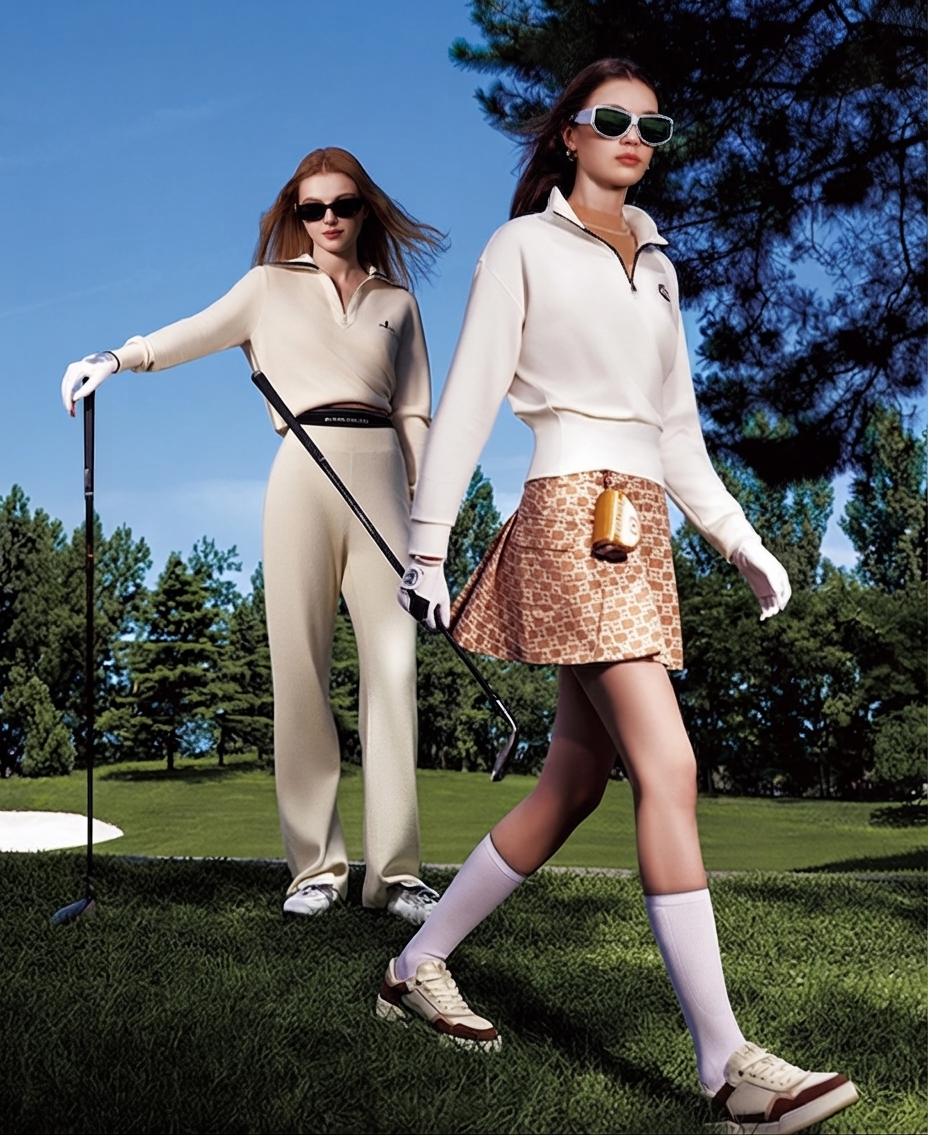
Long before moisture-wicking fabrics and stretch constructions became standard sportswear language, golf clothing was closely associated with neatness, restraint and the social culture surrounding the sport.
Collared shirts, structured silhouettes and coordinated outfits helped create a recognizable visual identity. Golf clothing therefore communicated belonging and etiquette as much as athletic function.
That influence has not disappeared. Even as silhouettes become more contemporary, many golfers still look for clothing that feels polished rather than purely athletic. The modern polo collar, clean trouser line and restrained outer layer all retain some connection to this tradition.
What has changed is the balance. Golf apparel no longer needs to look formal by sacrificing movement. Contemporary design can preserve the visual codes of the game while introducing significantly more performance.
Traditional golf clothing often involved a compromise: structured garments created an appropriate appearance, but they were not always ideal for repeated rotation, long walks or changing weather.
Modern textiles have reduced that compromise.
Stretch allows a polo or jacket to move more naturally through the backswing and follow-through. Lightweight construction makes layering easier, while moisture management, UV-protective fabrics and wrinkle resistance can improve comfort during long periods outdoors.
These technologies have also changed appearance. When fabrics can provide structure without unnecessary weight, clothing can become more streamlined. When stretch is incorporated into the material, designers can create closer silhouettes without automatically restricting movement.
This is one reason contemporary golf fashion brands increasingly combine sports-performance vocabulary with fashion design. BIEMLOFEN, for example, positions its core brand in high-end fashion sportswear while dividing its golf offering into professional golf and fashion golf.
Performance has not replaced style. It has given designers more freedom to rethink what stylish golf clothing can be.
Perhaps the most important change in golf apparel is where the clothes are expected to work.
On the course, a garment needs mobility and outdoor comfort. At the clubhouse, appearance becomes more prominent. During travel or urban leisure, versatility matters.
These settings increasingly overlap.
A clean performance polo can work after a round without appearing excessively technical. A lightweight golf hoodie can function as casual weekend clothing. Golf shoes can adopt sneaker-like silhouettes that feel natural away from the fairway.
BIEMLOFEN's golf footwear is a useful example of this crossover. Its current shoe collection explicitly connects outdoor sports with urban commuting and describes the products as a bridge between outdoor activity and urban leisure.
The idea of course-to-city therefore goes further than simply making golf clothes fashionable. It changes the design brief itself. A successful garment may now need to support athletic movement while also looking appropriate in a café, airport, resort or casual social environment.
That makes versatility part of modern performance.
Modern golf does not have to be visually quiet.
White, navy, beige and other classic tones remain important, but stronger colors, graphic elements, embroidery and collaborative design have expanded the possibilities for personal expression.
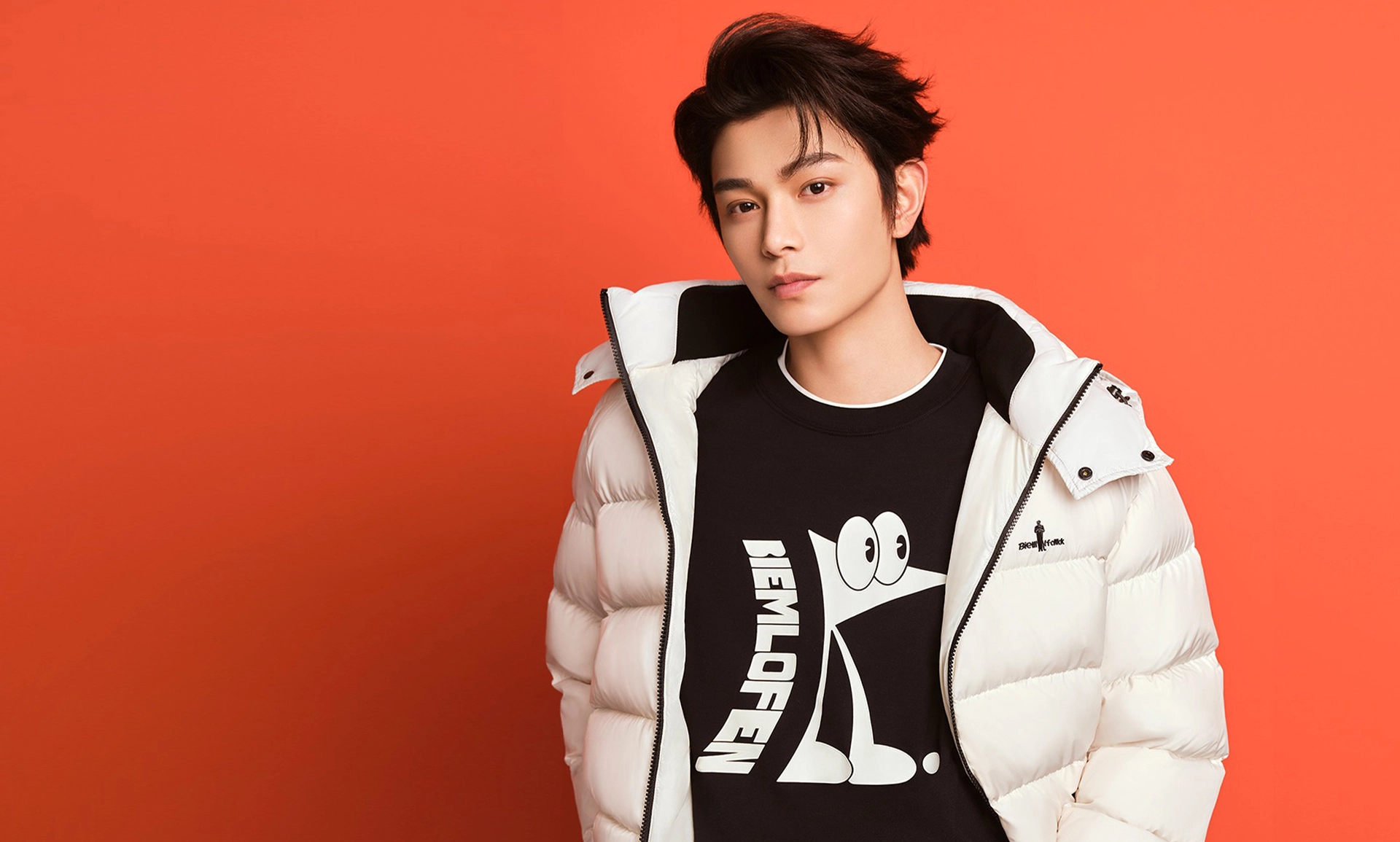
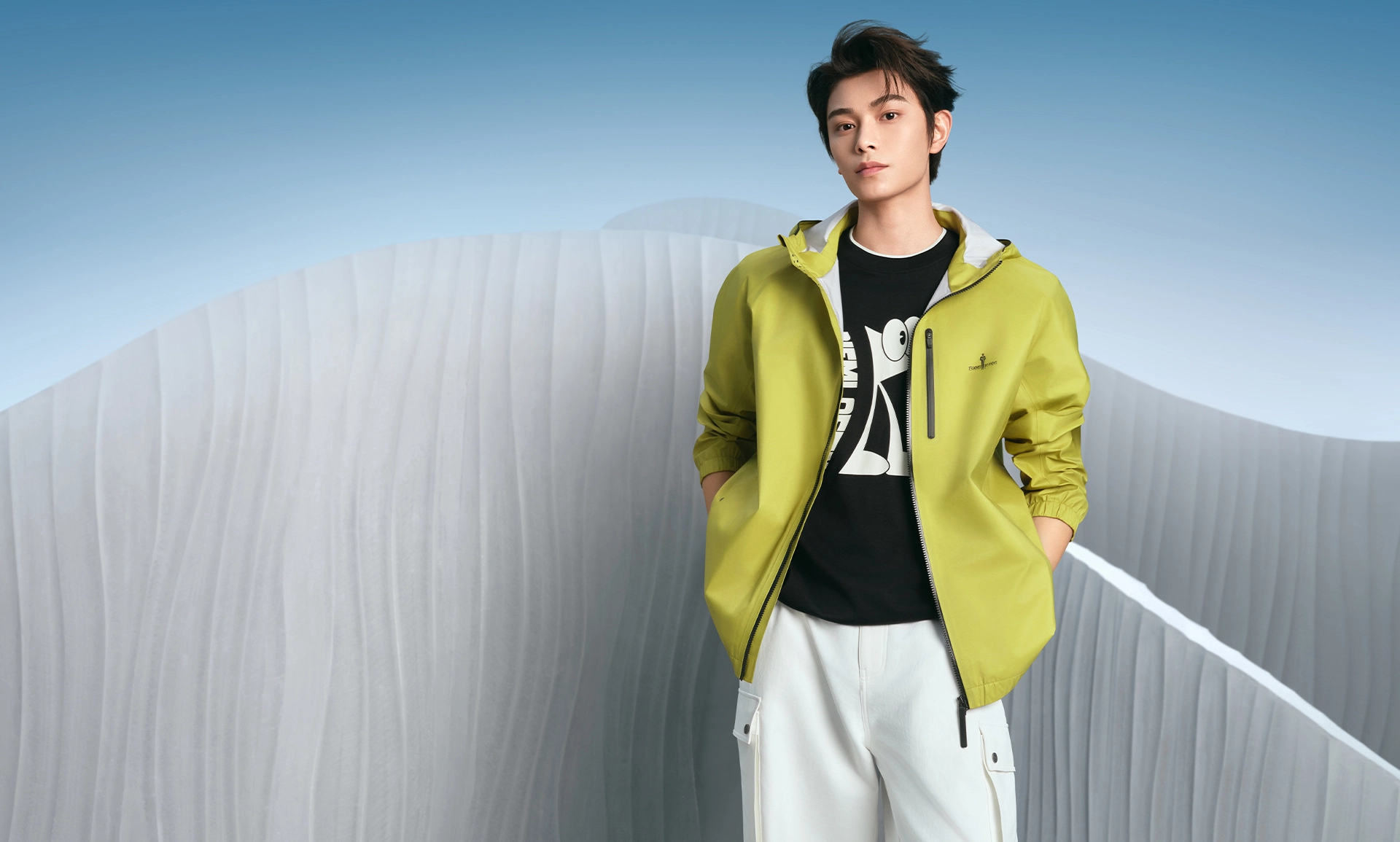
BIEMLOFEN's 2025 Spring/Summer collection demonstrated this shift through high-saturation colors, 3D-cut silhouettes, technical fabrics and artist collaborations. Its current site also highlights collaborations connected with the Forbidden City and Harvard University.
This matters because modern sports fashion increasingly communicates identity through more than logos.
Cultural motifs can give a garment narrative. Collaboration can bring different visual references into traditional golf categories. Color can turn a technically familiar polo or jacket into something much more expressive.
Golf fashion is consequently becoming a place where performance engineering and cultural storytelling can coexist.
The traditional visual language of golf remains recognizable, but designers now have considerably more freedom to interpret it.
Few items illustrate this evolution better than the golf hoodie.
A hoodie once belonged primarily to casual or athletic wardrobes. Today, lightweight constructions and cleaner silhouettes allow it to function as a golf mid-layer while still retaining its relaxed identity. BIEMLOFEN's own hoodie content positions lightweight construction as suitable for both outdoor activity and urban use.
Shoes have changed in a similar way. Modern golf footwear increasingly borrows the visual language of sneakers, making the transition between sport and lifestyle less obvious.
Outerwear has also moved beyond being purely protective. A lightweight golf jacket can contribute to an outfit's shape and color story while providing an additional layer for changing conditions.
This does not mean the traditional golf dress code has disappeared. Individual clubs can still have their own requirements.
What is changing is the boundary around what looks like golf. Modern clothing can reference the game's heritage without reproducing the exact wardrobe of earlier generations.
The most durable developments in golf fashion are unlikely to depend on one color or seasonal trend. They are broader changes in how performance clothing is designed and used.
Several directions are already visible:
Technical performance becoming less visually obvious: stretch, UV protection and weather management can increasingly sit inside refined silhouettes rather than making clothing look overtly technical.
More cross-scenario design: golf, travel, outdoor leisure and city clothing will continue to overlap.
Greater individual expression: color, graphics and collaboration can coexist with the sport's traditional preference for polished dressing.
BIEMLOFEN's recent collections illustrate this combination of high-tech fabrics, stronger colors and fashion-focused outdoor silhouettes. The company's current 2026 Spring/Summer presentation continues to emphasize bright color, 3D cutting, technical fabrics and artist collaboration.
The direction is therefore not the disappearance of golf tradition. It is a broader interpretation of it.
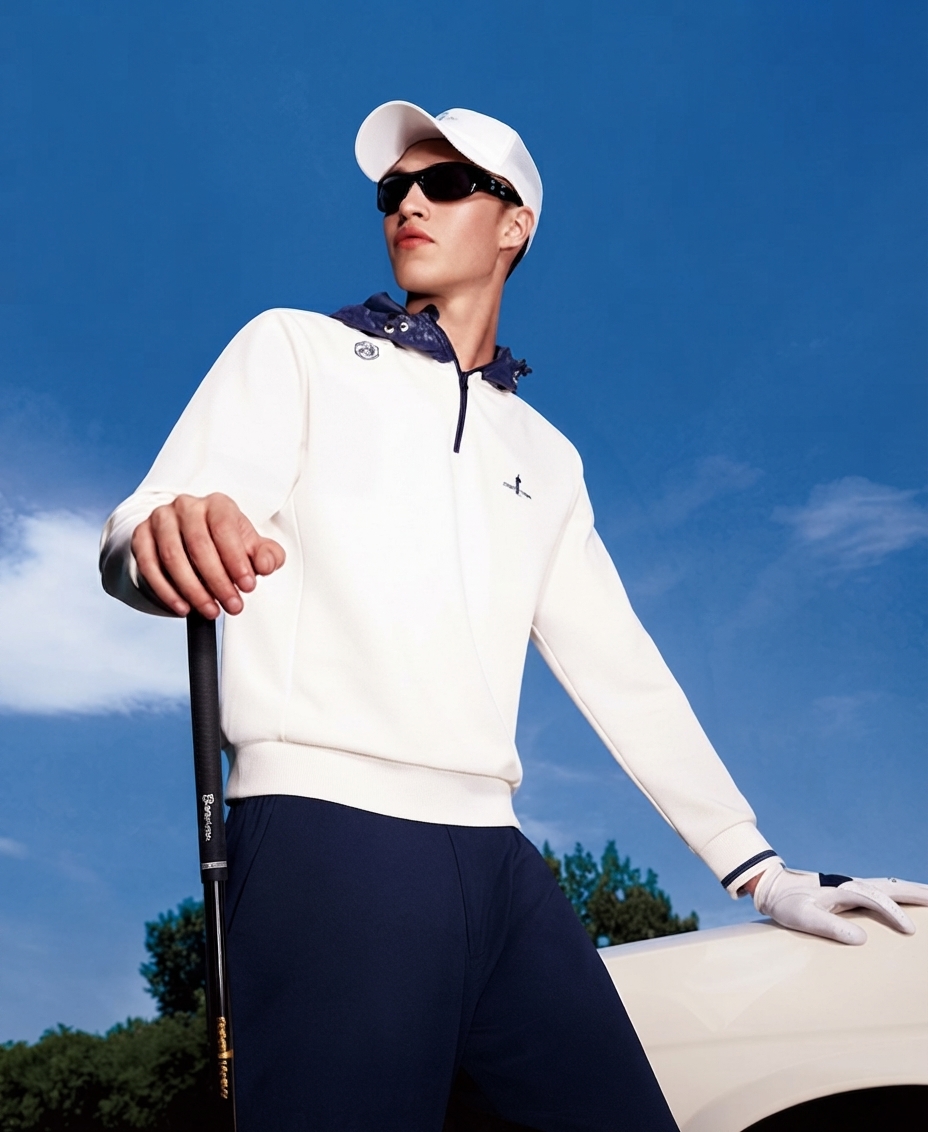
Golf fashion has moved beyond the idea of a rigid sporting uniform.
Performance technology has made clothing lighter, more flexible and more adaptable to outdoor conditions, while color, collaboration and lifestyle silhouettes have expanded its cultural reach. Polos and clean lines still connect modern golfers with the visual traditions of the game, but hoodies, sneaker-inspired shoes and versatile outerwear show that those traditions can evolve.
The modern golfer can respect the character of golf without dressing exactly like golfers of the past.
That is what makes modern golf fashion increasingly interesting: it is becoming a lifestyle language capable of moving naturally from fairway to clubhouse—and from clubhouse to city.
Modern golf fashion combines traditional golf styling with performance fabrics, contemporary silhouettes and lifestyle influences that work both on and away from the course.
Golf apparel has become lighter, more performance-oriented and more expressive, while still retaining elements such as collars, clean silhouettes and polished styling.
Collared shirts became strongly associated with the polished social and sporting appearance of golf, and they remain part of many contemporary golf wardrobes.
Yes. Lightweight, golf-oriented hoodies have become increasingly relevant as modern golf clothing incorporates more sportswear and casual-lifestyle influences.
Performance polos, jackets, hoodies and modern golf shoes increasingly combine technical comfort with clean styling, making them suitable for travel, leisure and urban settings.
A golf-focused brand typically needs to balance athletic movement and outdoor performance with the distinctive etiquette, silhouettes and lifestyle culture associated with the game.
Biemlofen Building, 608 Xingye Dadao East, Panyu District,
Guangzhou City, Guangdong Province, China.
+86-020-34765888

 English