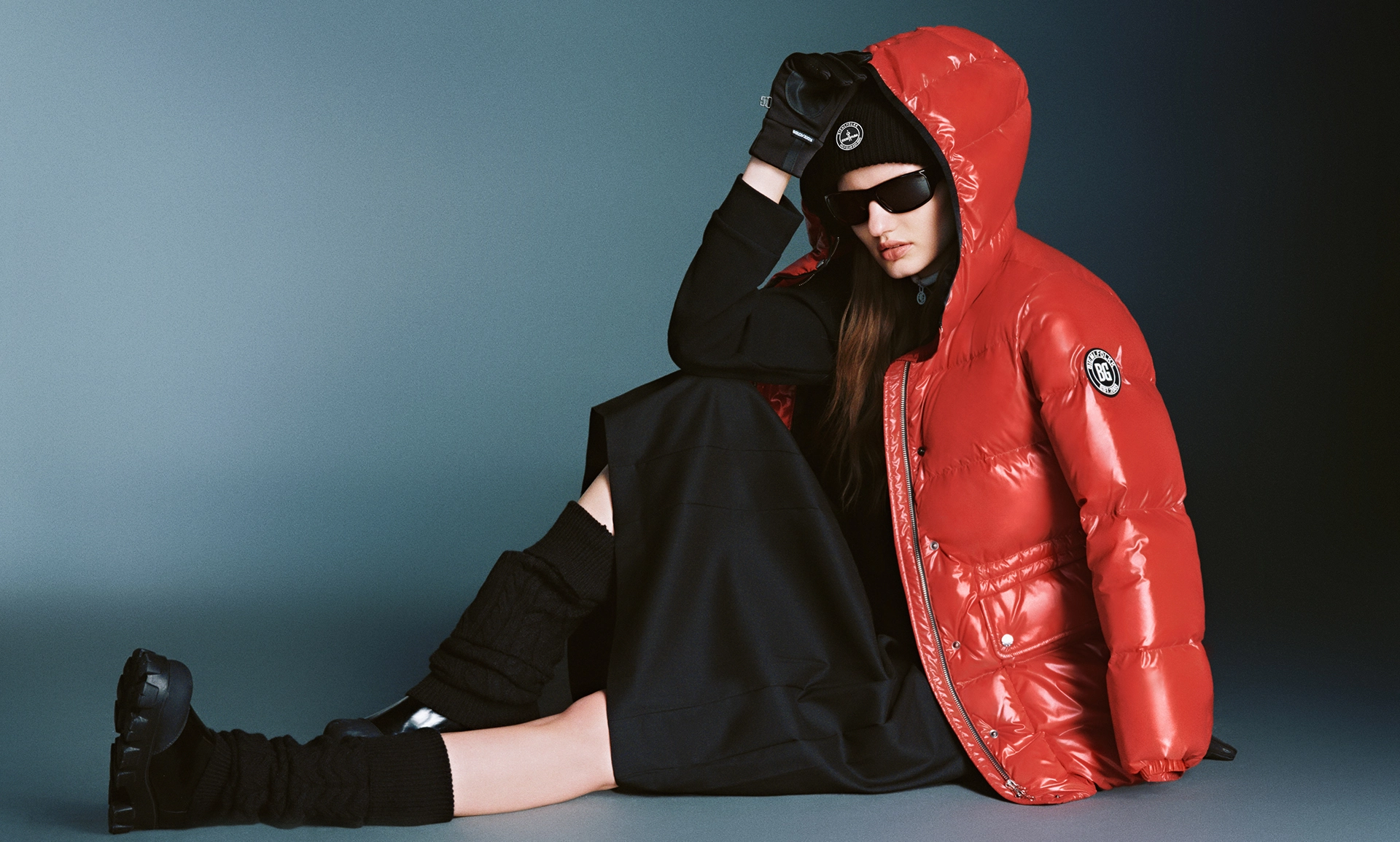



Golf in Asia is evolving beyond traditional ideas of clubs, courses, and sporting performance. Across China, Japan, South Korea, and Southeast Asia, golf is increasingly connected with fashion, leisure, travel, and personal lifestyle. This shift is creating opportunities for asian golf club brands, golf apparel companies, and lifestyle-focused businesses to develop distinctive identities.
For international buyers, this changing market is important because modern golf products are no longer judged only by technical performance. Design, comfort, versatility, and brand identity are becoming equally relevant, particularly in golf apparel.

The term asian golf club brands covers a diverse market rather than a single style of business. Golf culture has developed differently across Asian countries, and local preferences often influence product design, branding, and consumer expectations.
Japan has a mature golf market with strong attention to craftsmanship and refined design. South Korea has developed a close relationship between golf and fashion, while China's growing golf market combines extensive textile capabilities with increasing interest in golf lifestyle products. Southeast Asian markets, meanwhile, place particular importance on lightweight and breathable clothing because of warmer conditions.
This diversity means that asian golf brands cannot be defined by one visual style. Their strength often comes from adapting golf products to different customers, environments, and lifestyles.
Golf apparel is a particularly clear example of how local culture can influence product development. A garment designed for a hot and humid market may prioritize ventilation and lightweight materials, while products aimed at fashion-conscious urban golfers may place greater emphasis on silhouette and styling.
Several characteristics commonly influence product development across the region:
Climate: Temperature and humidity affect fabric selection, weight, and breathability.
Consumer lifestyle: Golf may be positioned as sport, social activity, leisure, or a combination of all three.
Fashion culture: Local preferences influence colors, proportions, patterns, and styling.
Course environment: Different markets may require different approaches to layering and weather protection.
As a result, Asian golf apparel does not simply copy traditional Western golf clothing. Brands can reinterpret familiar golf garments through local design preferences and modern lifestyle expectations.
Golf equipment and golf apparel have different functional priorities, but both contribute to the overall golfing experience. Equipment focuses heavily on playing performance, while apparel needs to balance mobility, comfort, appearance, and weather adaptability.
| Factor | Golf Equipment Brands | Golf Apparel Brands |
|---|---|---|
| Primary purpose | Playing performance | Comfort, mobility, and appearance |
| Main products | Clubs, balls, equipment | Shirts, jackets, trousers, dresses, accessories |
| Design focus | Technical specifications | Fabric, fit, construction, visual identity |
| Lifestyle use | Primarily golf-related | Golf, travel, leisure, and everyday wear |
| Brand expression | Performance technology | Performance combined with personal style |
This difference creates an opportunity for apparel brands to establish their own position without directly competing with golf equipment manufacturers. A strong golf clothing collection can become part of a golfer's identity before, during, and after a round.
Modern golf clothing increasingly sits between technical sportswear and lifestyle fashion. Golfers want garments that allow unrestricted movement during a round, but they may also expect the same clothing to work at a clubhouse, restaurant, airport, or casual social event.
This makes design more than a visual consideration. Fabric hand feel, garment construction, collar shape, sleeve design, fit, and finishing details can all influence how a product performs and how it is perceived.
Biemlofen represents this broader approach through its positioning around both professional golf and fashion golf. Rather than treating golf apparel purely as technical sportswear, the brand connects sporting requirements with a more contemporary fashion perspective.
For international buyers, this combination can be particularly valuable because versatile golf apparel has the potential to serve multiple occasions instead of being limited to the course.
China's role in the golf apparel industry extends beyond manufacturing. Its established textile and garment supply capabilities provide a foundation for product development, while growing interest in golf creates opportunities for domestic and international brands.
The term golf clothing china therefore encompasses more than factory production. Buyers increasingly need to consider whether a company can contribute to fabric selection, product development, design, quality consistency, and market-specific requirements.
Biemlofen offers an example of this broader development. The company has built a portfolio covering golf and fashion apparel, allowing it to approach golf clothing from both performance and lifestyle perspectives. For overseas buyers, this type of integrated capability can simplify the process of developing collections that need to work across different markets.

The future of Asian golf branding is likely to depend on the ability to connect performance with lifestyle. Golf consumers increasingly expect products to provide practical function without sacrificing personal style, creating space for brands that can combine these requirements effectively.
For buyers evaluating an Asian golf apparel company, several factors can help reveal whether a brand has this broader capability:
Product development: Look for experience translating concepts into commercially viable golf garments.
Material knowledge: Fabric selection should reflect movement, climate, comfort, and intended use.
Design consistency: Collections should have a recognizable visual identity rather than relying on isolated products.
Market adaptability: Products should be capable of responding to different climates and consumer preferences.
Category integration: Apparel and accessories can work together to create a more complete golf lifestyle proposition.
Biemlofen's combination of professional golf and fashion golf illustrates this changing direction. The opportunity for Asian brands is not simply to follow established golf trends, but to develop their own interpretation through design, materials, craftsmanship, and lifestyle positioning.
The development of asian golf club brands reflects a wider transformation in Asian golf culture. Golf is increasingly connected with fashion, travel, leisure, and personal identity, creating opportunities beyond traditional equipment categories. For golf apparel companies, this environment allows technical performance and contemporary design to work together. Biemlofen demonstrates this broader approach through its professional-golf and fashion-golf positioning, showing how an Asian brand can create golf apparel that fits both the course and the lifestyle surrounding it.
Asian golf markets have developed under different cultural, climatic, and fashion influences, resulting in varied approaches to golf products and branding.
Not necessarily. Different brands have different priorities, and many modern products attempt to combine sporting function with contemporary styling.
Versatile garments can transition between golf, travel, leisure, and social settings, making them more useful to consumers with active lifestyles.
China is important for textile and garment manufacturing as well as product development, design, and international golf apparel supply.
Material selection depends on the intended market, but breathability, mobility, comfort, weight, and weather conditions are common considerations.
Yes. International suitability depends on factors such as product development capability, consistent quality, design adaptability, communication, and understanding of different market requirements.
Biemlofen Building, 608 Xingye Dadao East, Panyu District,
Guangzhou City, Guangdong Province, China.
+86-020-34765888

 English